Diagnosis and Treatment of Sickle Cell Anemia
Diagnosis and Treatment of Sickle Cell Anemia
Sickle cell anemia is a serious inherited blood disorder that affects the shape and function of red blood cells. Our clinic provides compassionate, evidence-based care for patients with sickle cell disease — focusing on managing symptoms, preventing complications, and improving quality of life.
What is Sickle Cell Anemia?
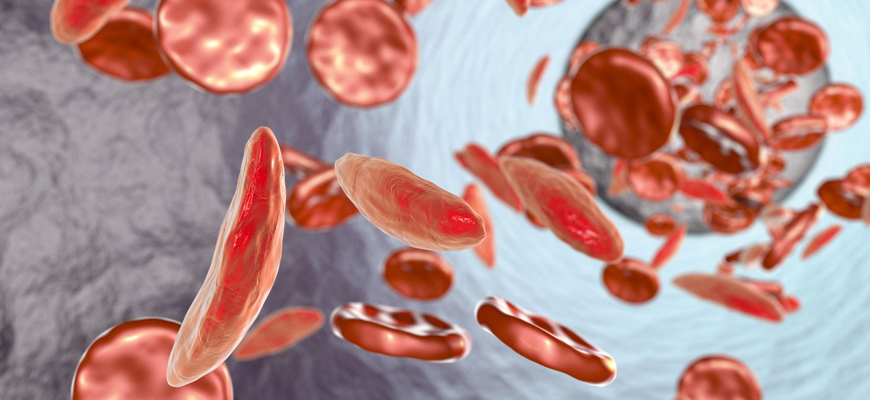
In sickle cell anemia, red blood cells become rigid and crescent (sickle) shaped instead of flexible and round. These abnormal cells can block blood flow, causing pain, organ damage, and other serious complications.
- Sickle Cell Disease (HbSS) — most severe form
- Sickle Cell Trait (HbAS) — carrier state, usually without symptoms
- HbSC Disease — milder form with two abnormal hemoglobin types
- Sickle Beta-Thalassemia — combination disorder
Symptoms & Complications
- Painful crises (vaso-occlusive episodes)
- Chronic anemia and fatigue
- Frequent infections
- Delayed growth in children
- Stroke risk
- Acute chest syndrome
- Organ damage (spleen, kidneys, liver)
Diagnosis
- Complete blood count (CBC)
- Hemoglobin electrophoresis (gold standard test)
- Peripheral blood smear
- Genetic counseling and family screening
- Newborn screening programs
Treatment & Management
- Pain management during crises
- Hydroxyurea therapy to reduce crisis frequency
- Folic acid supplementation
- Vaccinations and infection prevention
- Blood transfusions when indicated
- Hydration and supportive care
- Referral to hematologist for advanced management
Why Choose Us
- Experienced in managing chronic blood disorders
- Compassionate care for patients and families
- Coordinated approach with specialists
- Genetic counseling and family support